April 24, 2026
Trees can add beauty, shade, and character to a property, but there are times when removal becomes the safest and most practical option. Storm damage, disease, overcrowding, and landscape redesign can all turn a once-beneficial tree into a liability. Knowing when to act helps homeowners protect their homes, preserve curb appeal, and reduce long-term maintenance issues. Working with qualified tree removal services allows property owners to address these problems with greater confidence and care.
The decision to remove a tree is not always simple. Some trees decline gradually, while others become hazardous after a sudden weather event or root disturbance. In either case, delaying action can increase the risk of falling limbs, structural damage, and costly emergency work. Understanding the reasons for removal helps homeowners make timely decisions that support both safety and the overall health of the landscape.
Safety Risks
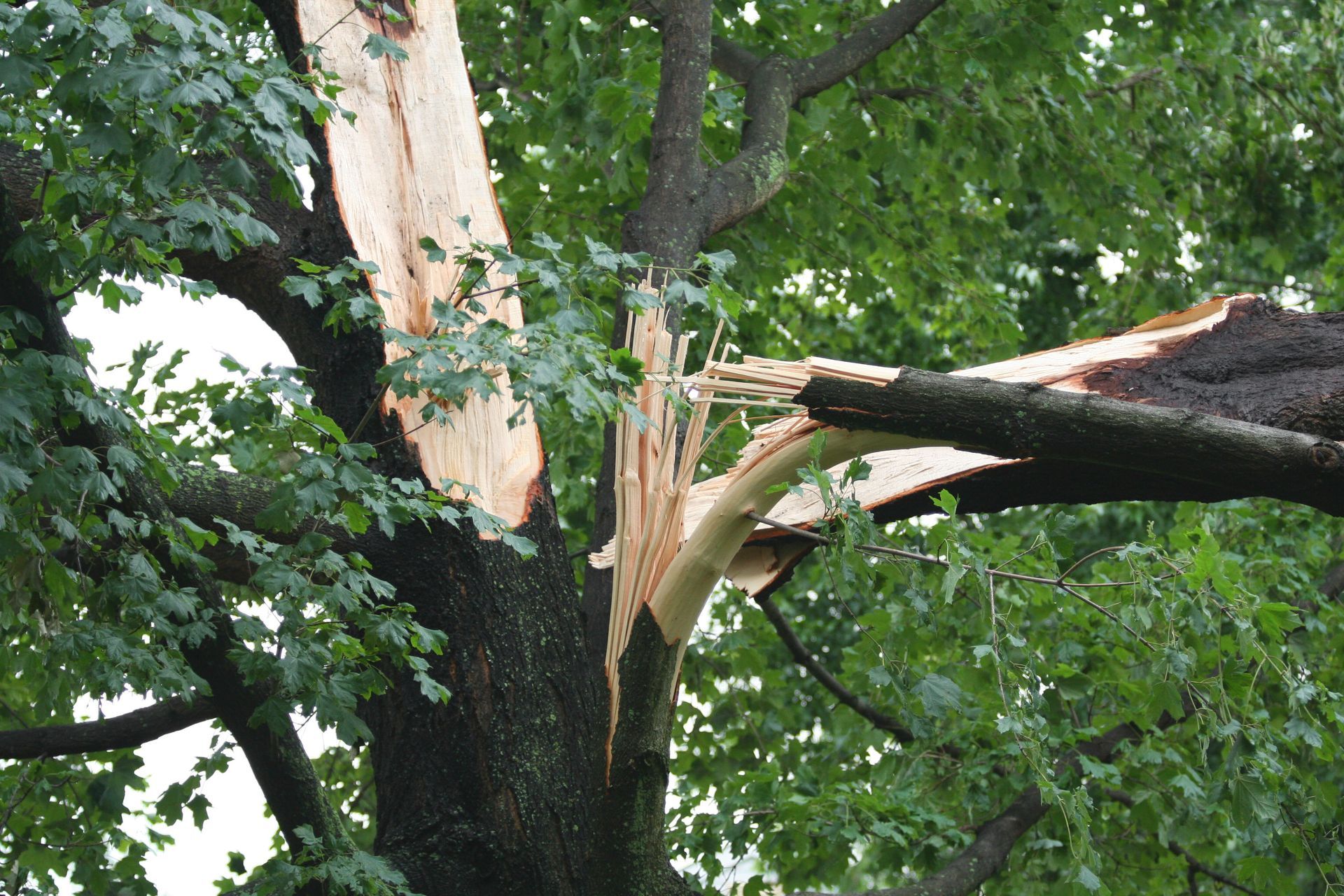
One of the most urgent reasons for tree removal is safety. Trees weakened by decay, storm impact, or structural defects can fail without much warning. Large branches may break and fall onto roofs, vehicles, fences, or walkways, while entire trees can topple during high winds or saturated soil conditions. According to Consumer Reports, 7% of settled home insurance claims are caused by a fallen tree, which shows how serious neglected tree hazards can become. Addressing these threats early reduces the likelihood of injury and expensive repairs.
Safety concerns extend beyond the homeowner’s property. A damaged tree near a sidewalk, driveway, or street can endanger pedestrians, cyclists, and passing vehicles. Trees growing too close to power lines also create added risk during storms, potentially contributing to outages or fire hazards. Reliable tree removal services help reduce these dangers by identifying unstable trees and removing them with the proper equipment and planning.
Property Value
Healthy, well-placed trees often improve the look and feel of a property, but neglected or dying trees can have the opposite effect. A tree with bare limbs, a split trunk, or visible decay can make the landscape appear poorly maintained. That impression may influence how visitors, neighbors, and potential buyers view the home. Removing trees that are damaged or out of place can open the yard, improve sightlines, and create a cleaner, more inviting appearance.
Tree removal can also create opportunities for more effective landscaping. Once a hazardous or overcrowded tree is gone, homeowners may have more room for replacement planting, hardscaping, gardens, or lawn improvements. In some cases, removal allows more sunlight to reach the yard, which supports healthier turf and better plant growth. Strategic updates after removal can strengthen curb appeal and make the property feel more balanced and intentional.
Legal Responsibilities
Tree removal can carry legal implications, especially when a hazardous tree causes damage beyond the property line. Homeowners may be held responsible if a tree they failed to maintain falls onto a neighboring structure, vehicle, or public area. Because local laws vary, it is important to understand municipal rules related to tree maintenance, nuisance conditions, and owner liability. Taking reasonable action before a tree fails can help reduce the chance of disputes or legal costs later.
Permits may also be required in certain locations, particularly for large trees or species protected by local ordinances. Homeowners associations may have separate rules about removal, replanting, or design standards as well. This is another reason many people turn to tree removal services with local experience. A knowledgeable provider can explain the process, identify permit needs, and help keep the project in compliance from start to finish.
Environmental Impact
Removing a tree should always be approached thoughtfully because trees contribute to shade, air quality, wildlife habitat, and soil protection. Eliminating one without a broader plan can affect drainage patterns, sunlight exposure, and the surrounding ecosystem. Even when removal is necessary, homeowners should consider how the space will function afterward. Replanting in a more suitable location or selecting a better species can help maintain environmental value while solving the original problem.
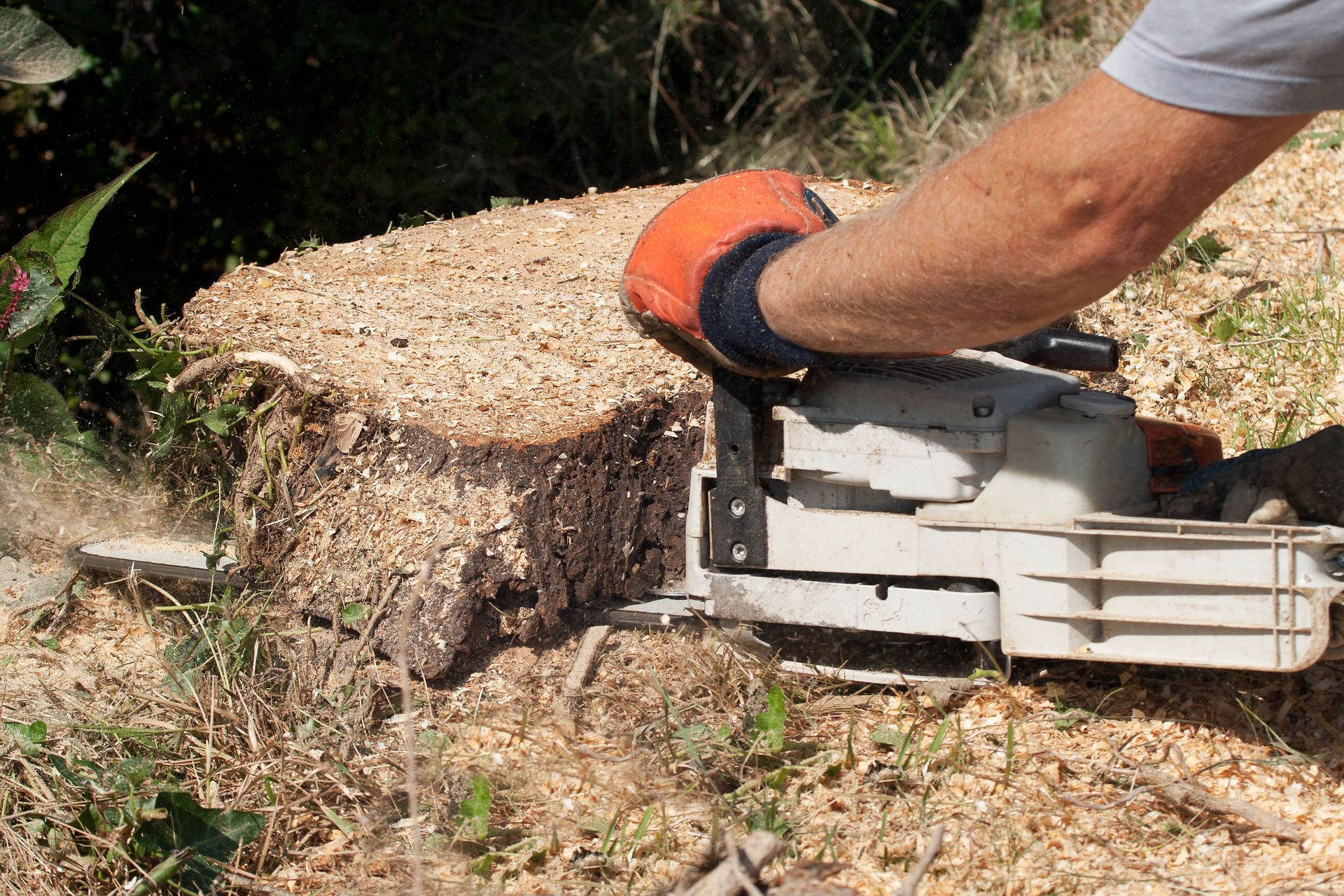
Careful removal also helps minimize disruption to the surrounding yard. Professionals can reduce damage to nearby plants, structures, and soil by using proper cutting methods and safe rigging techniques. In many cases, the goal is not simply to take down a tree, but to preserve as much of the landscape as possible during the process. Responsible tree removal services often support this larger view by pairing removal with recommendations for future planting and site recovery.
Seasonal Timing
The timing of removal can affect both safety and efficiency. In many cases, late winter or early spring offers favorable conditions because trees are dormant and have fewer leaves, making branches lighter and easier to manage. Frozen or firmer ground may also reduce lawn damage from equipment. Seasonal timing can be especially helpful when removal is part of a larger landscape or construction plan.
At the same time, timing decisions should account for weather, wildlife activity, and the urgency of the hazard. A severely compromised tree may need to come down immediately regardless of season. Professionals weigh these factors carefully so the work is completed when conditions are as safe and practical as possible. When urgency and timing are balanced correctly, tree removal services can be carried out with less disruption and better long-term results.
Signs of Decline
Homeowners should watch for visible indicators that a tree may need to be removed. Dead or hanging branches, mushrooms growing near the base, deep trunk cracks, hollow sections, and peeling bark may all point to internal decline. A tree can sometimes still leaf out while hiding serious decay inside, which is why surface appearance alone does not always tell the full story. Consistent monitoring helps identify problems before they become emergencies.
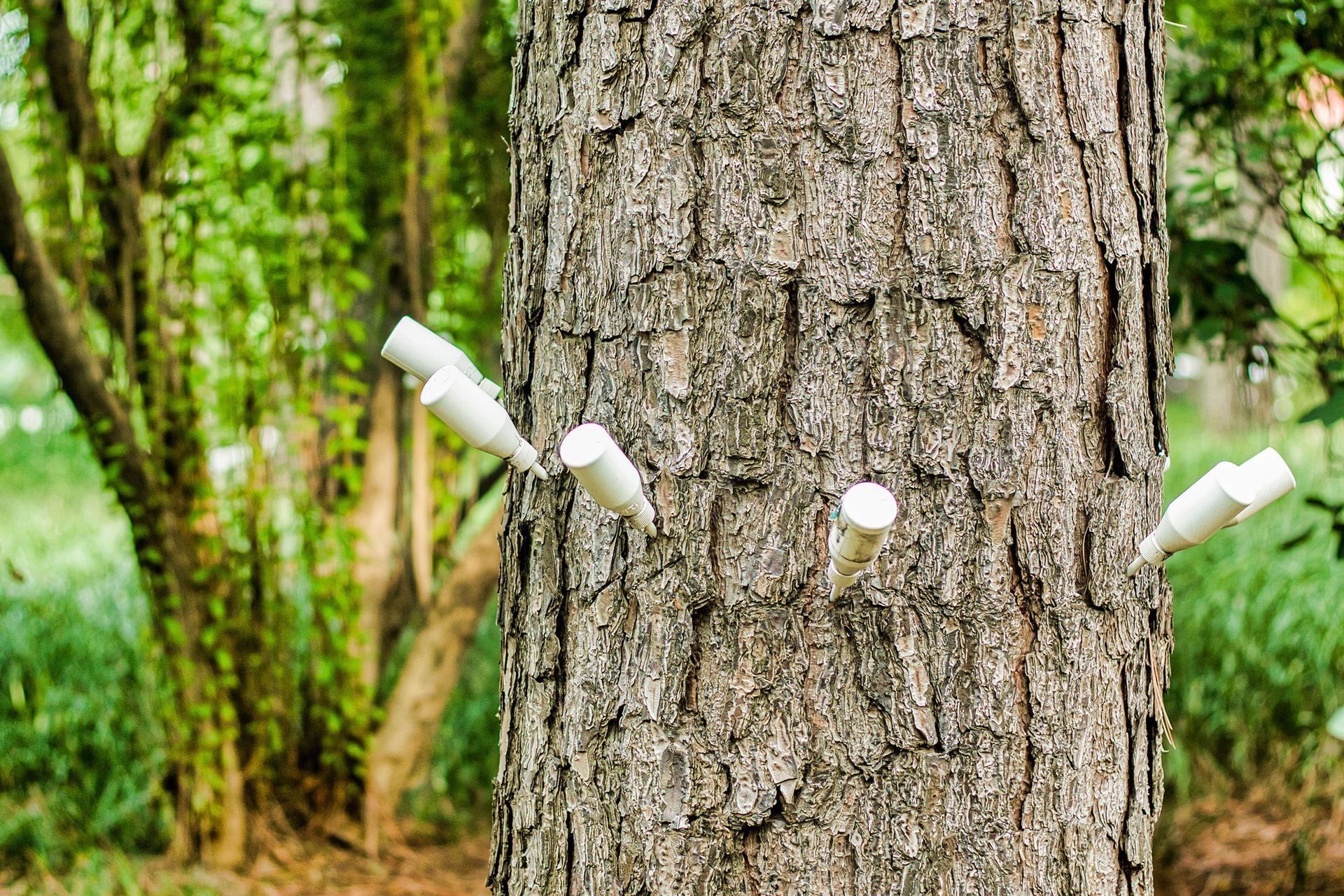
Leaning can be another warning sign, especially if the angle is new or worsening over time. Soil lifting around the roots, sparse leaf growth, and dieback in the upper canopy may indicate instability or root failure. Pest infestation is also a major concern, as boring insects and disease can weaken the tree from within. When several symptoms appear at once, homeowners should not wait too long to seek evaluation.
Root and Structural Concerns
Root damage is easy to overlook because it happens below ground, yet it can have a major effect on tree health and stability. Construction, trenching, poor drainage, and soil compaction can all interfere with a tree’s ability to anchor itself and absorb nutrients. A tree with compromised roots may begin to decline slowly or become vulnerable to sudden failure in bad weather. These issues are especially concerning when the tree stands close to a house, driveway, or retaining wall.
Structural issues above ground can be just as serious. Codominant trunks, large cavities, and unbalanced canopy growth may increase the chance of splitting or collapse. While pruning or cabling may help in some cases, other trees are too compromised to remain safely in place. Evaluating both root health and structural integrity gives homeowners a more complete understanding of whether removal is the most responsible choice.
Thoughtful planning after removal can also preserve the natural character of the property. Replanting with trees that match the site conditions, mature size, and soil profile creates a more sustainable outdoor space. When handled strategically, tree removal services do more than eliminate risk. They can support a safer, cleaner, and more attractive landscape that continues to add value well into the future. Contact Mason Tree Service today to get connected to our tree removal services.