November 1, 2026
Severe weather can threaten trees, homes, vehicles, and other structures on your property. High winds, heavy rain, snow, and ice can weaken branches or cause unstable trees to fall, creating hazards that are expensive to address. Preparing your landscape before storms arrive helps reduce potential damage and supports the health of your trees.
Routine tree care is an important part of property maintenance, particularly when trees grow near buildings, driveways, and utility lines. Removing hazardous branches, identifying structural weaknesses, and addressing damaged trees can help reduce risks before storms arrive. Professional tree services also help property owners determine when tree trimming, pruning, or removal may be necessary.
Understanding Severe Weather Risks
Strong winds can place considerable stress on tree branches and trunks, especially when trees have dead limbs, uneven growth, or existing structural damage. During storms, weakened branches may break and fall onto roofs, vehicles, fences, or walkways. Trees with compromised root systems may also become unstable when exposed to strong gusts.
Heavy rainfall creates additional challenges because saturated soil can reduce the stability of a tree's root system. Snow and ice can add substantial weight to branches, increasing the risk of breakage. Understanding these hazards helps property owners identify trees that may need professional attention before severe weather develops.
Lightning can also damage trees, leaving trunks split, branches weakened, or entire trees vulnerable to failure. Trees with existing disease or decay may be particularly susceptible to further damage during storms. Regular assessments help identify potential hazards and determine whether corrective maintenance or removal is appropriate.
Identifying Hazardous Branches
Dead, cracked, hanging, or diseased branches can become dangerous when exposed to strong winds and heavy precipitation. Branches extending over homes, parking areas, and frequently used walkways deserve particular attention because falling limbs can cause injuries or property damage. Professional tree trimming helps remove selected branches that present potential hazards while supporting the tree's overall structure.
Other warning signs include deep trunk cracks, significant leaning, visible decay, and roots lifting from the surrounding soil. These conditions may indicate structural problems that require a professional assessment. Qualified tree care professionals can evaluate the severity of the damage and recommend suitable maintenance or removal options.
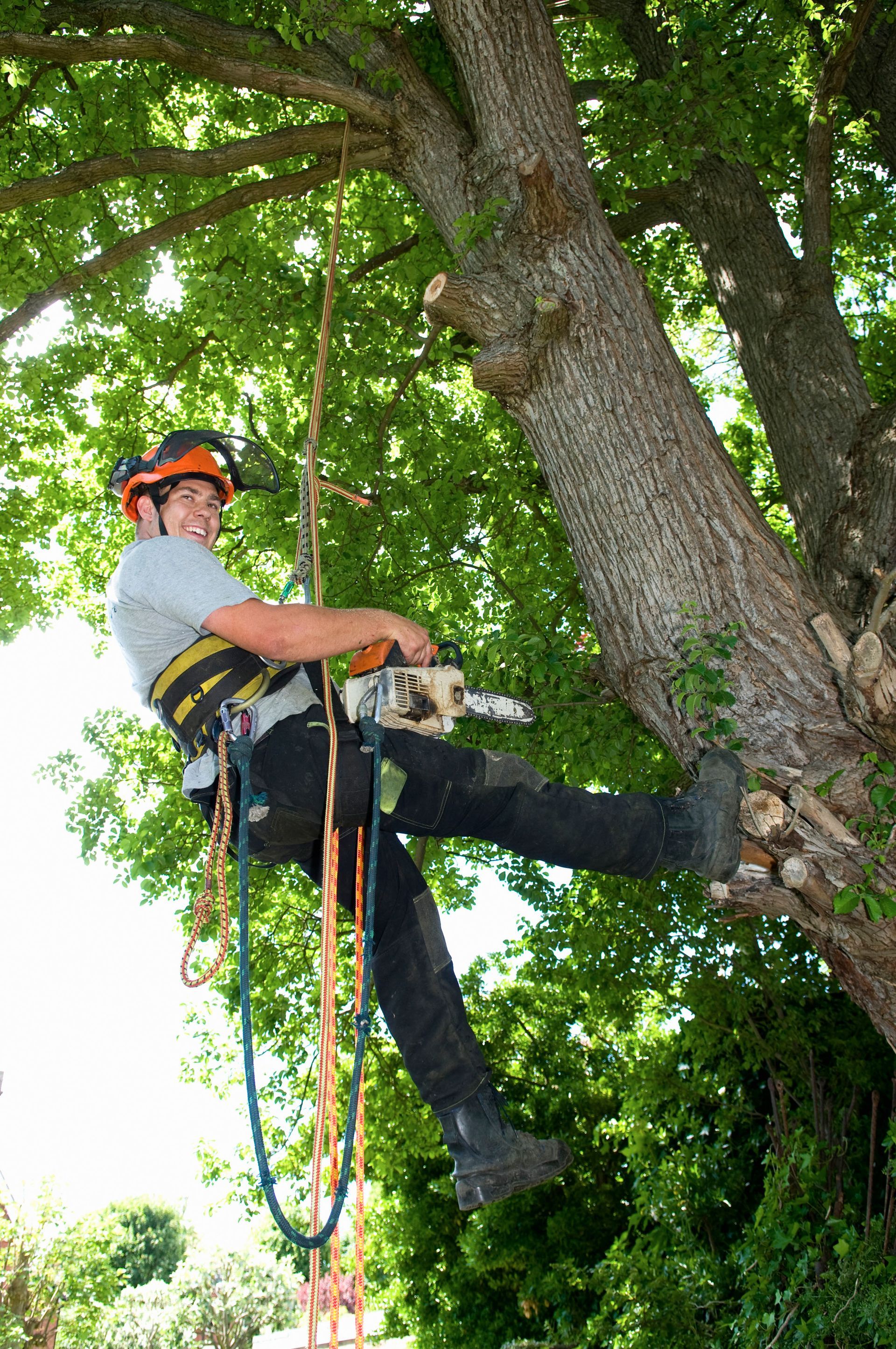
Property owners should avoid climbing trees or attempting to cut large or unstable branches themselves. Such work can involve falling limbs, unstable equipment, and nearby electrical hazards. Professional tree trimming provides a safer way to address overgrown or damaged branches while reducing the risks associated with working at height.
Managing Wind Exposure
Tree canopies can experience substantial pressure during high winds, particularly when branches are crowded, damaged, or poorly structured. Selective pruning can help maintain a balanced canopy and remove weak growth that may break during storms. However, excessive cutting can harm a tree, so maintenance should reflect its species, condition, and natural growth pattern.
Maintaining appropriate tree structure also helps reduce the likelihood of damaged branches falling onto nearby buildings and outdoor spaces. Professional tree trimming can address vulnerable growth while preserving healthy branches when possible. A professional assessment can identify limbs that need attention without unnecessarily removing healthy growth.
Some trees may have extensive damage or structural weaknesses that cannot be resolved through pruning alone. In these cases, professional tree removal may be necessary to reduce the risk of future failure. Evaluating these concerns before severe weather arrives gives property owners more time to plan appropriate work.
Protecting Utility Lines
Trees growing near overhead electrical lines can create serious hazards during storms. Branches that contact power lines may contribute to outages, electrical damage, or dangerous conditions for people nearby. Property owners should never attempt to cut branches touching or close to energized lines, as this work requires appropriate utility coordination and safety procedures.
According to Duquesne Light Company, trees or limbs contacting power lines are the second most common cause of power outages on its electrical system. This utility-specific finding highlights the importance of managing vegetation near electrical infrastructure. Professional assessments can help identify problematic growth, while work around energized lines should be referred to the appropriate utility provider.
Keeping trees properly maintained can help reduce certain hazards associated with overgrown or damaged branches. Regular tree trimming can help manage growth in appropriate areas, although utility providers must handle vegetation work that presents electrical hazards. After storms, property owners should stay clear of downed trees and wires and contact the appropriate emergency or utility service when hazardous conditions occur.
Preparing for Rain and Ice
Heavy rain can saturate soil and contribute to erosion around tree roots, potentially reducing stability. Trees with damaged roots, existing decay, or significant structural weaknesses may be more vulnerable under these conditions. Professional inspections can help identify visible warning signs and determine whether additional evaluation or corrective work is needed.
Snow and ice create different challenges by adding weight to branches and increasing the likelihood of breakage. Weak limbs may bend or snap, potentially damaging nearby structures and landscaping. Scheduling tree trimming before winter weather arrives can help address known branch hazards, although no maintenance plan can eliminate every risk during severe storms.
After a major weather event, property owners should inspect their surroundings from a safe location for broken limbs, leaning trees, and visible structural damage. They should avoid approaching unstable trees or attempting to remove heavy branches themselves. Professional storm damage cleanup can help address hazardous debris and assess trees that may need further attention.
Scheduling Seasonal Maintenance
Tree maintenance schedules should account for local weather patterns, tree species, and individual tree conditions. Some trees benefit from pruning during dormancy, while others require different timing based on their growth patterns and health. A professional assessment helps determine the appropriate schedule without placing unnecessary stress on the tree.
Preparing for seasonal storms involves more than removing visible dead branches. Property owners should also consider trees that have grown too close to buildings, obstructed access areas, or developed structural weaknesses. Planning tree trimming ahead of severe weather can help address known hazards and make it easier to arrange necessary services.
Regular maintenance also provides an opportunity to identify concerns that may not require immediate removal but should be monitored over time. Keeping records of inspections and completed work helps property owners track changes in tree condition. A consistent maintenance plan supports healthier landscapes and helps prioritize safety-related concerns.
Choosing Professional Tree Services
Choosing qualified tree care professionals is important when addressing storm-related risks. Property owners should look for appropriate insurance, relevant experience, clear estimates, and a detailed explanation of the recommended work. These considerations help clarify the project's scope and provide a better understanding of how potential hazards will be addressed.
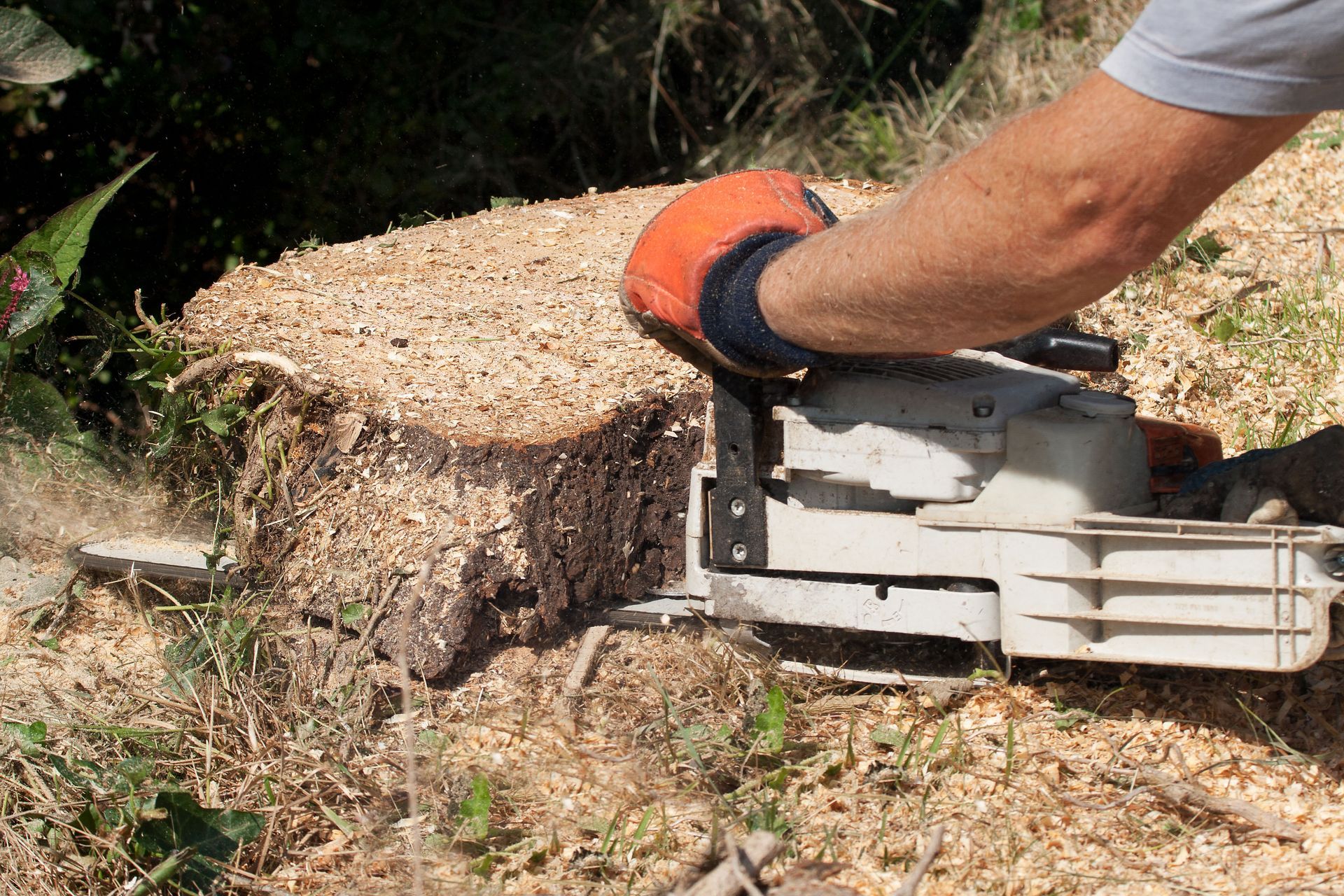
Tree trimming and pruning services can address overgrown, damaged, or hazardous branches, while tree removal may be appropriate when a tree is unstable or severely damaged. Stump grinding and removal can also help clear areas after a tree has been taken down. Selecting services based on the property's actual needs helps maintain a safer, more manageable landscape.
For urgent situations involving fallen trees or storm damage, emergency tree services can help property owners address immediate hazards. Professional crews can evaluate the affected area and determine the appropriate removal or cleanup work. Prompt attention to dangerous conditions helps prevent additional damage and supports the safe restoration of outdoor spaces.
Maintaining a Storm-Ready Property
Preparing trees for severe weather begins with identifying hazards and arranging appropriate professional care. Regular inspections, selective tree trimming, and timely removal of unstable trees can help reduce certain risks to buildings, vehicles, and outdoor areas. These measures also support tree health and help property owners manage their landscapes more effectively.
Storm preparation should continue throughout the year, with maintenance adjusted to changing tree conditions and seasonal weather. Property owners should address known concerns before severe weather whenever possible and seek professional help after significant damage. Contact Mason Tree Service to schedule an assessment or discuss tree care and storm damage services for your property in St. Clair County, IL.