November 6, 2026
The time required to professionally cut down and clear a tree can vary significantly based on a multitude of environmental, physical, and technical factors. Understanding these variables helps property owners plan effectively, budget accurately, and set realistic expectations for arboricultural services. Different site conditions present unique operational challenges, requiring tailored extraction strategies and specialized equipment. Every project is inherently distinct, shaped by the structural characteristics of the specimen and its surrounding space. This comprehensive guide explores the typical timelines, operational complexities, and technical processes associated with professional tree removal.
Analyzing Specimen Characteristics
The overall size of a tree is arguably the most significant factor in determining the total duration of an extraction project. Small trees, defined as specimens under 30 feet tall, can generally be dismantled and processed within two to three hours. Medium-sized specimens ranging from 30 to 60 feet present greater structural volume, often requiring four to eight hours of intensive labor. Large trees exceeding 60 feet introduce complex rigging requirements that can extend the timeline across one to two full workdays. According to Home Advisor, a small tree may be removed in a few hours, with giant trees taking up to one to two days.
Wood density also influences working speeds, creating a distinct operational contrast between hardwoods and softwoods. Hardwood species like oak, hickory, and maple feature dense, heavy wood fibers that demand precise cutting techniques and slow the pace of sawing. Softwoods such as pine, spruce, and fir are lighter and less dense, allowing crews to cut, section, and maneuver logs more rapidly. High wood density increases the physical weight of each section, requiring heavy-duty rigging systems and extra labor to transport debris safely from the dropping zone to processing equipment.
The age and physical condition of a specimen further dictate the overall pace of the operation. Older trees feature thick trunks, sprawling canopy structures, and deep, expansive root networks that increase the total mass to be processed. Furthermore, aging specimens frequently show signs of internal decay or structural instability. While hollow or decaying wood may cut faster, structural compromises introduce unpredictable drop mechanics. Crews must exercise extreme caution, applying controlled lowering techniques that deliberately lengthen the working window to maintain absolute site safety.
Evaluating Site Accessibility
Location and surrounding accessibility heavily influence how quickly crews can execute a safe extraction. Urban residential properties often present tight working quarters, narrow side yards, and delicate surrounding landscaping that prevent direct machinery access. In these constrained environments, crews must carefully dismantle the canopy piece by piece, manually hauling debris to the street. Conversely, rural properties with open terrain allow heavy machinery like skid steers and loaders to drive directly to the base of the trunk, significantly accelerating material transport and reducing total labor time.
Proximity to surrounding structures introduces technical hurdles that require careful risk mitigation. When branches overhang rooflines, utility drops, or glass structures, workers cannot simply drop cut sections to the ground. Instead, climbers must establish overhead rigging anchor points, securing individual limbs with heavy-duty ropes before lowering them under controlled friction. This methodical process ensures zero damage to nearby structures, but the precise rigging and lowering of each branch incrementally extends the overall completion time.
The presence of utility infrastructure introduces mandatory safety protocols that affect project timing. Working near overhead power lines requires specialized utility-certified arborists and, in some cases, direct coordination with local electric providers to temporarily de-energize lines. Similarly, deep stump grinding or excavation near underground gas, water, or fiber-optic lines requires utility marking services before work begins. These necessary safety measures ensure complete site protection, though administrative coordination and cautious manual execution add hours to the overall schedule.
Executing Prep and Setup
A thorough initial site inspection forms the foundational baseline for an efficient equipment setup. Before starting power equipment, the crew leader evaluates canopy weight distribution, identifies structural defects, and establishes designated drop zones. The team maps out clear escape routes and sets up safety perimeters to shield pedestrians from falling debris. Investing thirty to forty-five minutes in comprehensive pre-work assessments prevents costly operational delays, machinery jams, and safety hazards once cutting begins.
Navigating municipal regulations and permitting requirements is another critical phase that dictates the project schedule. Many municipalities enforce strict tree preservation ordinances that require formal site inspections, health assessments, and permit approvals before major arboricultural work can proceed. Obtaining official approval can take anywhere from a few days to several weeks, depending on local government processing speeds. Clearing all legal and regulatory hurdles upfront prevents unexpected stop-work orders and ensures the project moves forward seamlessly once crews arrive on-site.
Equipment staging and pre-removal property protection are essential preparatory steps that directly impact workflow efficiency. Crews position wood chippers, bucket trucks, and support vehicles to create a streamlined material pipeline from the tree to the processing trailer. To protect surrounding lawns, workers lay down heavy-duty ground mats that prevent turf rutting from heavy machinery tires. Lowering delicate garden features, trimming back surrounding ornamental shrubs, and clearing ground obstacles create a safe workspace, setting the stage for rapid, unobstructed tree removal.
Implementing Removal Techniques
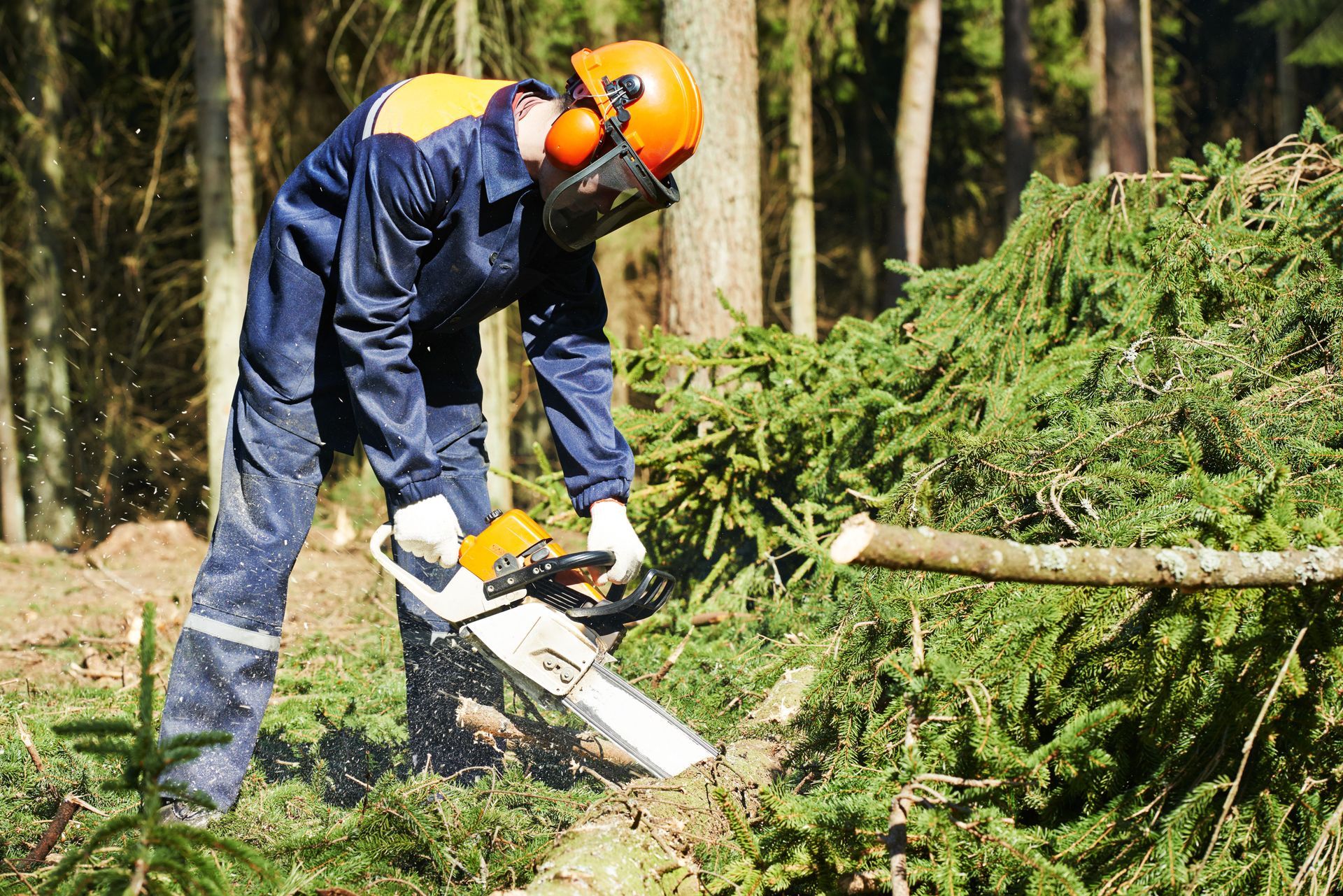
Standard chainsaw dismantling remains the primary method for straightforward projects with open ground access. Skilled operators make precise notch and back cuts to fell smaller specimens intact in a single controlled movement. Once the tree is on the ground, the crew rapidly limbs the trunk, cuts the log into manageable stove-length sections, and feeds branches into the wood chipper. When space permits direct felling, this traditional approach offers the fastest route to completing a full tree removal.
For massive specimens or space-restricted urban lots, crane-assisted extraction provides an exceptionally fast and safe alternative. A crane operator hoists a cable over the working area, allowing a climber to secure individual multi-ton sections before cutting them free. The crane then lifts the severed section high above nearby structures, lowering it gently into a street-level processing zone. While setting up a crane requires precise positioning and outrigger stabilization, the mechanical lifting power dramatically shortens working hours on complex, high-risk projects.
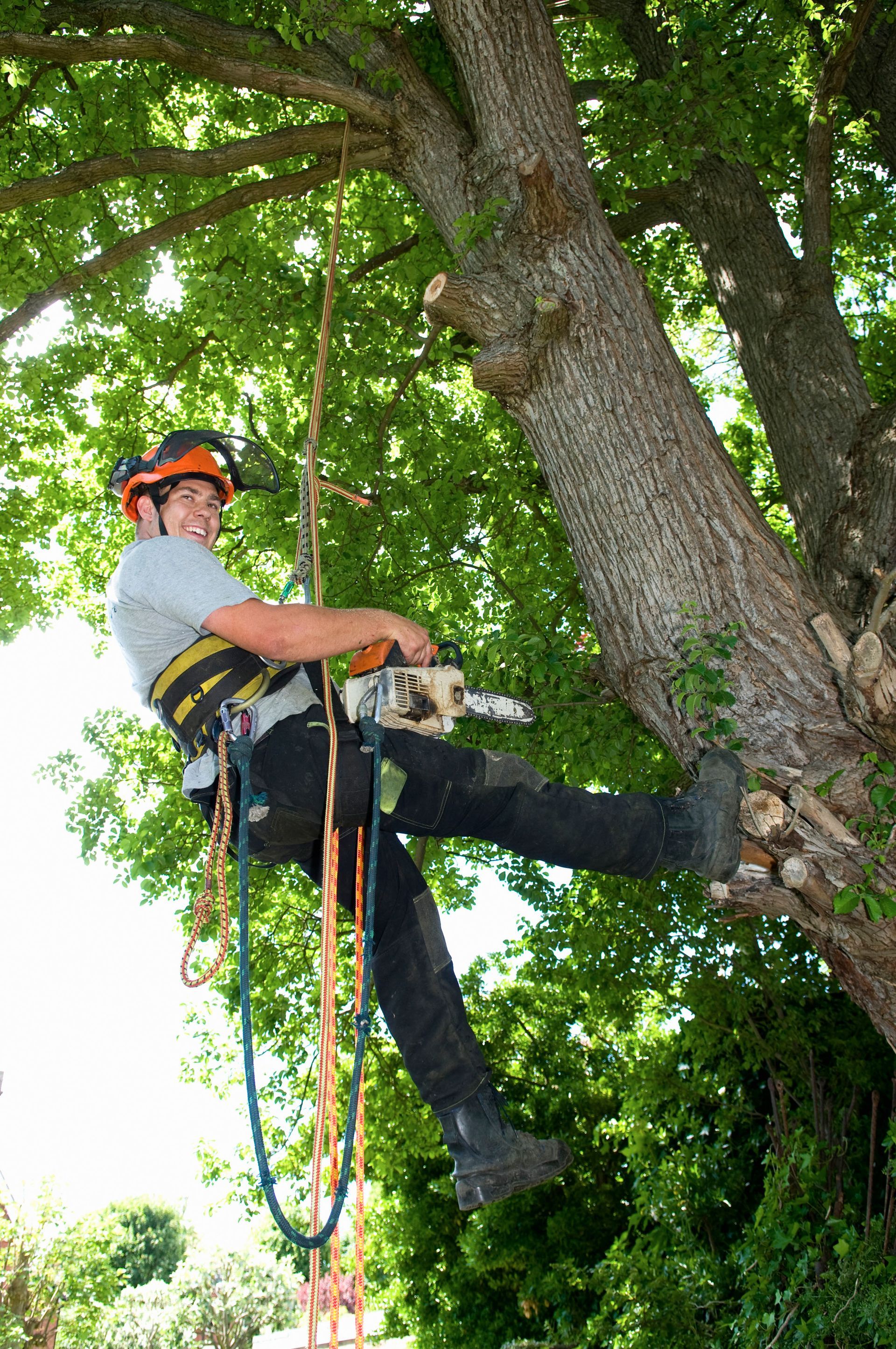
Sectional dismantling, often combined with specialized friction rigging, is the preferred strategy for tight spaces lacking crane access. Arborists climb into the upper canopy using ropes and harnesses, systematically stripping smaller lateral branches before tackling main scaffold limbs. Each severed section is controlled via friction brakes, pulleys, and lowering lines managed by ground personnel. This controlled, piece-by-piece disassembly demands exceptional technical skill and physical exertion, making it one of the most thorough and time-intensive methods utilized in professional tree removal.
Processing Debris and Cleanup
Once the canopy and trunk are dismantled, processing the accumulated organic debris becomes the primary operational focus. Industrial wood chippers process small limbs, brush, and foliage into dense wood mulch within minutes. Main trunk logs are sliced into transportable lengths and loaded onto heavy-duty haul trailers using hydraulic grabs or manual loaders. Efficient debris processing ensures that the workspace is systematically cleared as cutting progresses, preventing bottlenecked drop zones and maintaining a clean work environment.
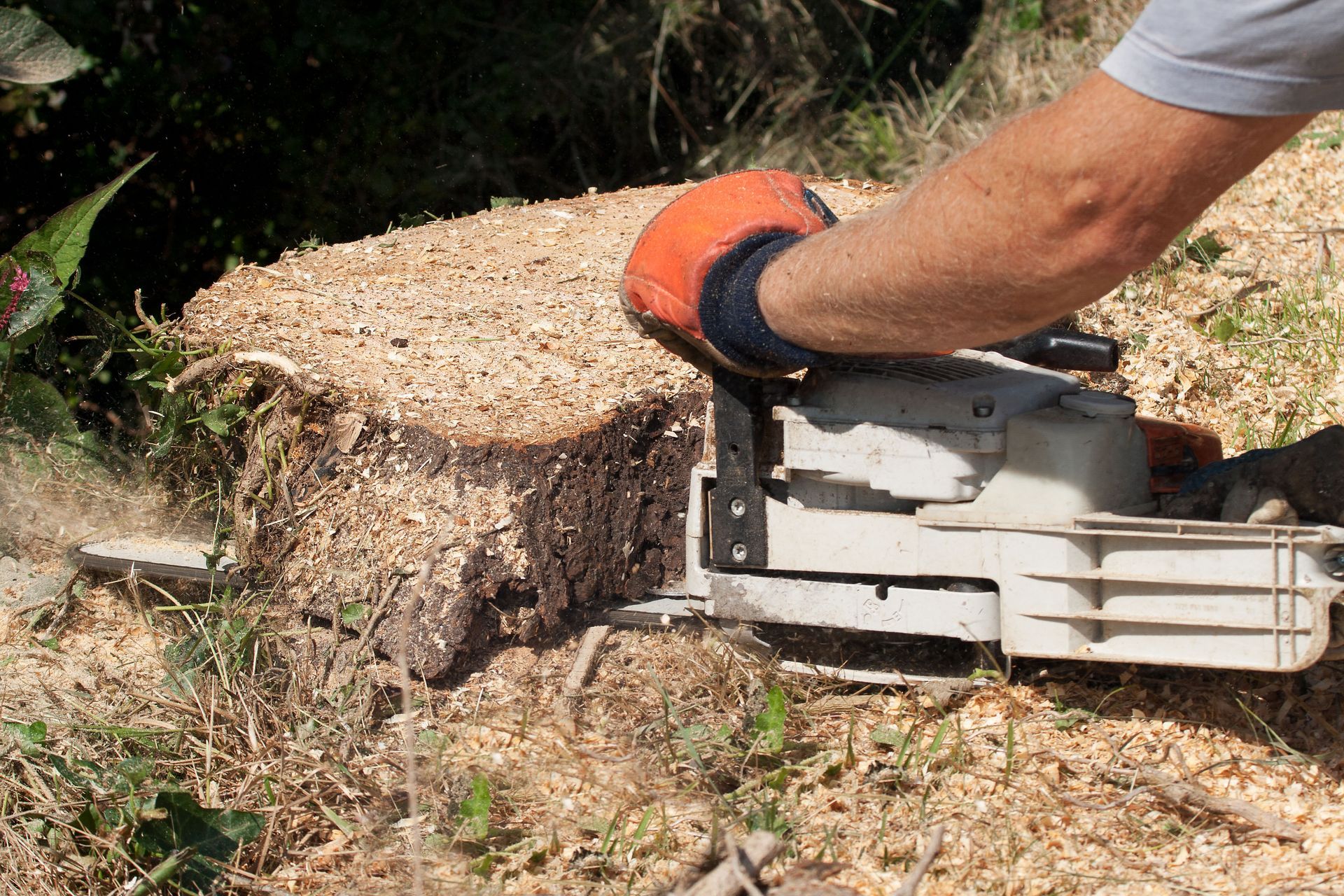
Stump grinding represents the final structural phase of complete site clearing, requiring specialized machinery to erase subterranean wood remnants. Heavy-duty stump grinders utilize carbide-tipped steel wheels to pulverize the remaining stump and main lateral roots into fine wood chips six to twelve inches below the soil surface. Depending on trunk diameter, root flare complexity, and soil composition, stump grinding can take anywhere from forty-five minutes to three hours. Eliminating the stump removes tripping hazards, stops root sprouting, and leaves the terrain ready for future use.
The final operational stage focuses on soil restoration, site grading, and thorough environmental cleanup. Workers backfill the excavated stump cavity with a blend of topsoil and organic mulch to prevent ground settling over time. Crews rake fine wood debris, blow down surrounding hardscapes, and clear all sawdust from rooftops, driveways, and lawns. A meticulous final inspection ensures the property is left clean, safe, and visually restored. For complete property care and expert tree removal, homeowners can depend on the experienced team at Mason Tree Service.