May 21, 2026
The presence of towering oaks, graceful maples, or flowering dogwoods can transform a standard residential lot into a serene sanctuary. For many homeowners, these wooden giants represent more than just landscape features; they are living legacies that provide shade, privacy, and a connection to the natural world. However, maintaining the health and safety of these large organisms requires more than just occasional watering or a visual check from the porch. It demands a proactive approach to management that ensures the canopy remains vibrant and the root systems remain stable against the elements. Taking the time to understand the various professional interventions available is the first step in preserving the structural integrity and aesthetic appeal of your property.
A well-maintained landscape does not happen by accident. It is the result of careful observation and the timely application of expert knowledge. When homeowners neglect their arboreal assets, they risk not only the health of the individual specimens but also the safety of their homes and families. Falling limbs, invasive pests, and sprawling root systems can lead to costly property damage if left unaddressed. By prioritizing comprehensive care, you ensure that your outdoor space remains a source of joy rather than a liability. The following sections detail the critical interventions that keep a residential forest thriving through the seasons.
Evaluate Your Landscape Health Regularly
The foundation of any successful property management plan begins with a thorough assessment of the existing vegetation. Professionals who specialize in these areas possess the trained eyes necessary to spot the subtle signs of distress that an untrained observer might overlook. Discolored leaves, cracks in the bark, or an unusual lean can all indicate underlying issues that range from nutrient deficiencies to fungal infections. By scheduling routine inspections, you can catch these problems before they escalate into irreversible damage. This preventive mindset is becoming increasingly common across the country.
According to Arbor Day Foundation, 95% of Americans believe trees provide important value to their communities, increasing demand for professional tree care and maintenance services.
During an evaluation, experts look at the entire ecosystem of your yard. They examine the soil quality, the competition for sunlight among different species, and the proximity of branches to power lines or roof shingles. This holistic view allows for the creation of a customized plan that addresses the specific needs of each plant. Whether it is a young sapling that needs structural training or an ancient specimen requiring specialized support, the knowledge gained from a professional assessment is invaluable. This baseline of information serves as the roadmap for all subsequent tree services performed on the grounds.
Prune For Structure And Vitality
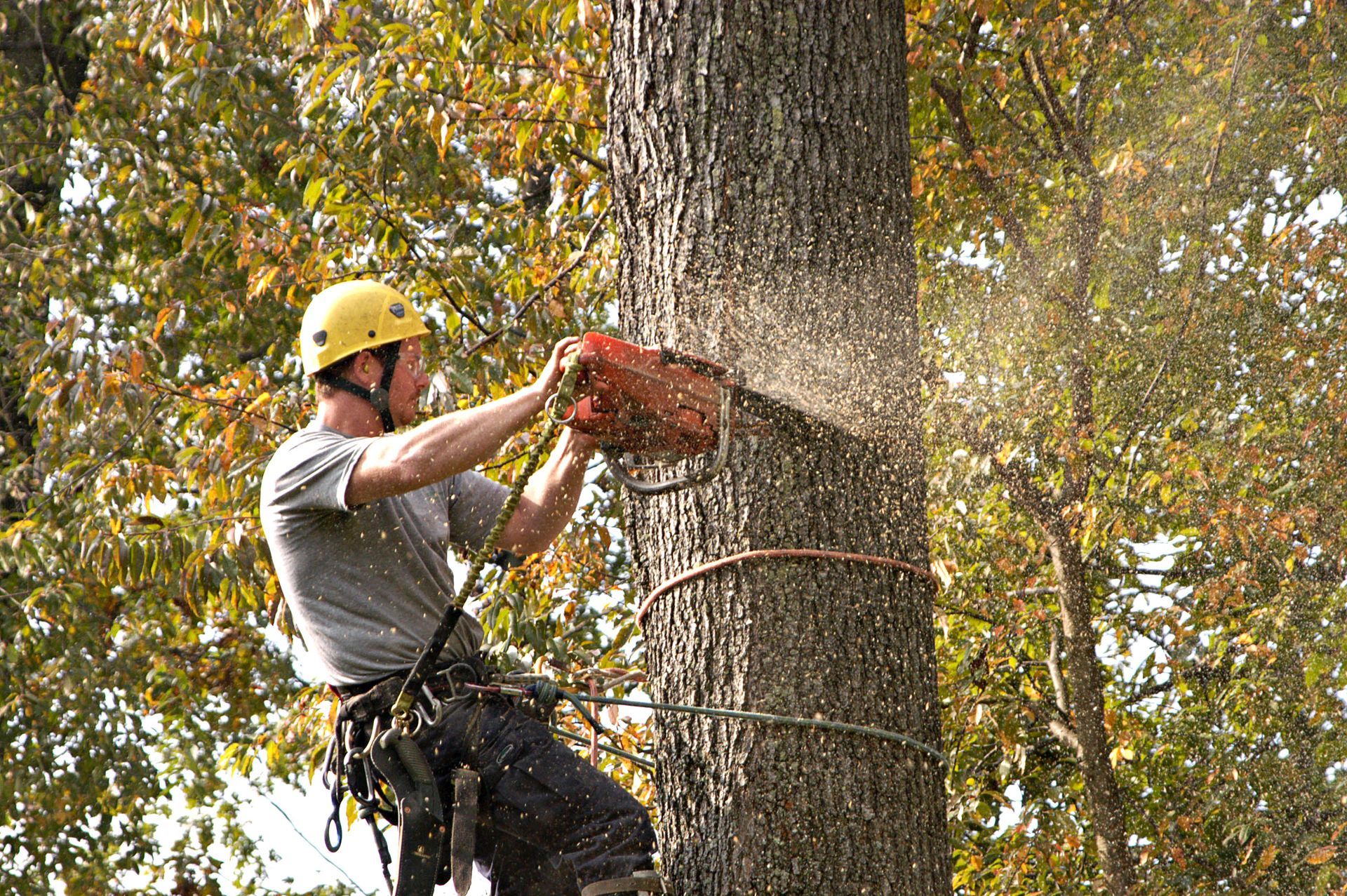
Pruning is perhaps the most frequent and essential task in the realm of arboriculture. It involves the strategic removal of specific branches to improve the overall health and appearance of the plant. While some might view this as a purely cosmetic endeavor, it is actually vital for the structural stability of the canopy. Removing dead, diseased, or damaged wood prevents decay from spreading to the main trunk. Furthermore, thinning out dense areas of the crown allows for better air circulation and sunlight penetration, which are both crucial for photosynthesis and the prevention of mold growth.
Beyond health benefits, pruning is a critical safety measure. Overextended or heavy branches can become hazardous during high winds or heavy snowfall. By reducing the weight and wind resistance of the canopy, professionals ensure that the plant is better equipped to withstand the unpredictable patterns of local weather. This type of meticulous work requires specialized tools and a deep understanding of how different species respond to cuts. Improper pruning can lead to stunting or permanent scarring, which is why homeowners should always rely on expert tree services to handle these delicate operations.
Remove Hazardous Or Dying Specimens
Despite our best efforts at preservation, there are times when a plant can no longer be saved. Whether due to extreme age, severe storm damage, or an incurable infestation, a dead or dying giant poses a significant threat to its surroundings. In these instances, extraction is the only responsible course of action. Removing a large specimen is a complex and dangerous task that involves intricate rigging, heavy machinery, and a high level of technical skill. It is a process that must be executed with precision to avoid damaging the lawn, nearby structures, or other healthy vegetation.
Deciding to remove a familiar part of the landscape is often difficult for homeowners, but leaving a hazardous specimen in place is a gamble. A rotting trunk can collapse without warning, leading to catastrophic results. Professionals use various techniques to dismantle the plant piece by piece, starting from the top and working their way down to ensure total control over the direction of the fall. This level of care is a hallmark of high-quality tree services, providing peace of mind to the property owner while clearing the way for new growth and safer horizons.
Grind Stumps For Aesthetic Uniformity
Once a large plant has been removed, a stubborn stump often remains as a reminder of what was once there. While some choose to leave these as natural pedestals, they can quickly become eyesores or breeding grounds for unwanted pests. Stumps are particularly attractive to wood-boring insects like termites and carpenter ants, which can eventually migrate from the yard to the foundation of the home. Additionally, a hidden stump in a grassy area creates a tripping hazard and a significant obstacle for lawnmowers.
Grinding the stump below the surface level is the most efficient way to reclaim that part of the yard. This process utilizes powerful machinery to turn the solid wood into mulch, which can then be used in garden beds or hauled away. Once the grinding is complete, the area can be filled with topsoil and seeded with grass, effectively erasing any sign of the previous occupant.
Treat Against Pests And Diseases
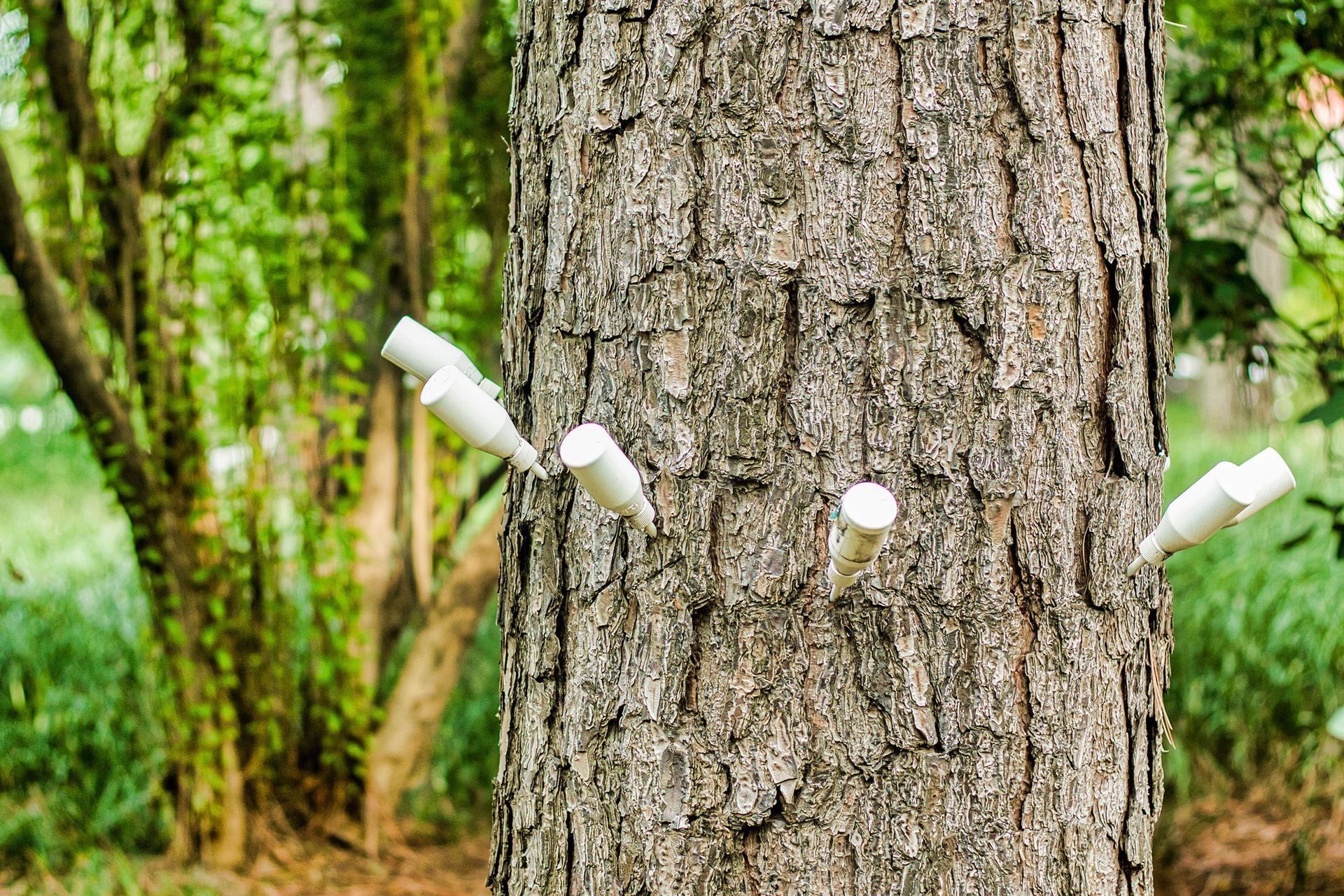
Insects and pathogens are silent threats that can devastate a landscape in a remarkably short period. From the emerald ash borer to various types of leaf rust and root rot, the challenges facing modern greenery are numerous. Identifying these threats early is the key to successful treatment. Professionals employ a variety of methods to protect the canopy, including soil injections, trunk sprays, and targeted applications of organic or chemical solutions.
Fertilize To Support Deep Roots
Healthy soil is the lifeblood of any impressive canopy. In a forest setting, the natural decomposition of leaf litter provides a constant cycle of nutrients. However, in a manicured suburban lawn, these nutrients are often stripped away by regular raking and mowing. Over time, the soil can become depleted, leaving the plants hungry and vulnerable to stress. Deep-root fertilization is a specialized technique that delivers essential minerals directly into the root zone, bypassing the competition from grass and surface weeds.
The stewardship of a home landscape is a journey that spans decades. It requires a partnership between the property owner and the experts who understand the intricate needs of the local ecosystem. By attending to the structural, nutritional, and health requirements of your greenery, you are investing in the future value and beauty of your estate. The shade of a healthy canopy is a gift that grows more precious with each passing year, offering a cool retreat and a haven for local wildlife.
At Mason Tree Service, we are committed to the health of your landscape and stand ready to provide the expert care and precision needed to keep your outdoor space flourishing and secure.