November 8, 2026
Trees provide shade, improve curb appeal, and contribute to a property's natural beauty. However, damaged, diseased, or unstable trees can create hazards for homes, vehicles, and people. Recognizing when you may need tree removal services helps homeowners address potential problems before they become emergencies.
Some tree concerns can be managed with trimming or pruning, while others require complete removal. The right approach depends on the tree's condition, location, and potential impact on nearby structures. Knowing which warning signs to look for can help you determine when to contact a professional tree service for an assessment.
Recognizing Signs of Tree Decline
Changes in a tree's appearance can indicate that it is unhealthy or structurally compromised. Leaves that turn yellow or brown outside their normal seasonal cycle, sparse foliage, and dying branches may point to disease, root damage, or environmental stress. Although these symptoms do not always mean a tree must be removed, they warrant closer inspection.
Bark abnormalities can also reveal potential problems. Deep cracks, large areas of missing bark, cavities, or signs of decay may indicate damage that affects the tree's strength. Fungi or mushrooms growing around the trunk or root area can sometimes indicate decaying wood, so a professional assessment can help determine whether the tree can remain safely in place.
Dead branches, extensive decay, and a worsening lean are additional warning signs. A tree that suddenly begins leaning or has soil lifting around its base may have compromised roots and could be at risk of falling. Professional tree removal services can assess the condition and location of a hazardous tree and recommend an appropriate course of action.
Identifying Storm-Related Damage
Strong winds, heavy rain, and ice can weaken trees and cause branches to break. Cracked trunks, split limbs, hanging branches, and damaged roots may leave a tree unstable even when much of its canopy still appears healthy. After severe weather, inspect your property from a safe distance and look for visible changes that could indicate a hazard.
Uprooted or fallen trees can block driveways, damage buildings, and create dangerous obstacles. Trees or limbs resting on power lines pose additional risks and should never be approached or handled by homeowners. Emergency tree removal and storm damage cleanup can help address hazardous situations and clear affected areas.
Not every storm-damaged tree requires complete removal. Some damaged limbs can be addressed through professional pruning, depending on the extent of the damage and the tree's overall stability. A qualified tree service can assess the situation and determine whether trimming, removal, or another appropriate measure is needed.
Evaluating Risks to Nearby Structures
A tree's location can be just as important as its health. Branches hanging over roofs, garages, sheds, or frequently used outdoor areas may cause damage if they break or fall. Roots can also lift sections of pavement or interfere with nearby structures, although the specific risk depends on the tree species, soil conditions, and surrounding construction.
According to This Old House, removing trees that are within 40 feet of your home can be a good option for maximum safety. A professional assessment can help homeowners understand whether a tree presents a genuine hazard and whether removal is appropriate.
Power lines and access routes also deserve attention. Branches growing into utility lines should be handled by the appropriate utility provider or qualified professionals authorized to perform the work. Professional tree removal services can also help clear trees that block driveways or walkways or create hazards near buildings.
Assessing Root and Trunk Stability
A tree can appear healthy above ground while experiencing serious problems below the surface. Damaged roots, exposed root systems, soil movement, and cavities near the trunk may affect stability and increase the chance of failure. These signs are particularly concerning when they appear alongside a sudden lean or major canopy damage.
Trunk cracks and deep splits can also indicate structural weaknesses. Large dead limbs, extensive decay, and visible damage around the base may reduce a tree's ability to withstand wind and other environmental stresses. Avoid climbing the tree or attempting to cut away large damaged sections yourself, especially when the tree is unstable or near a structure.
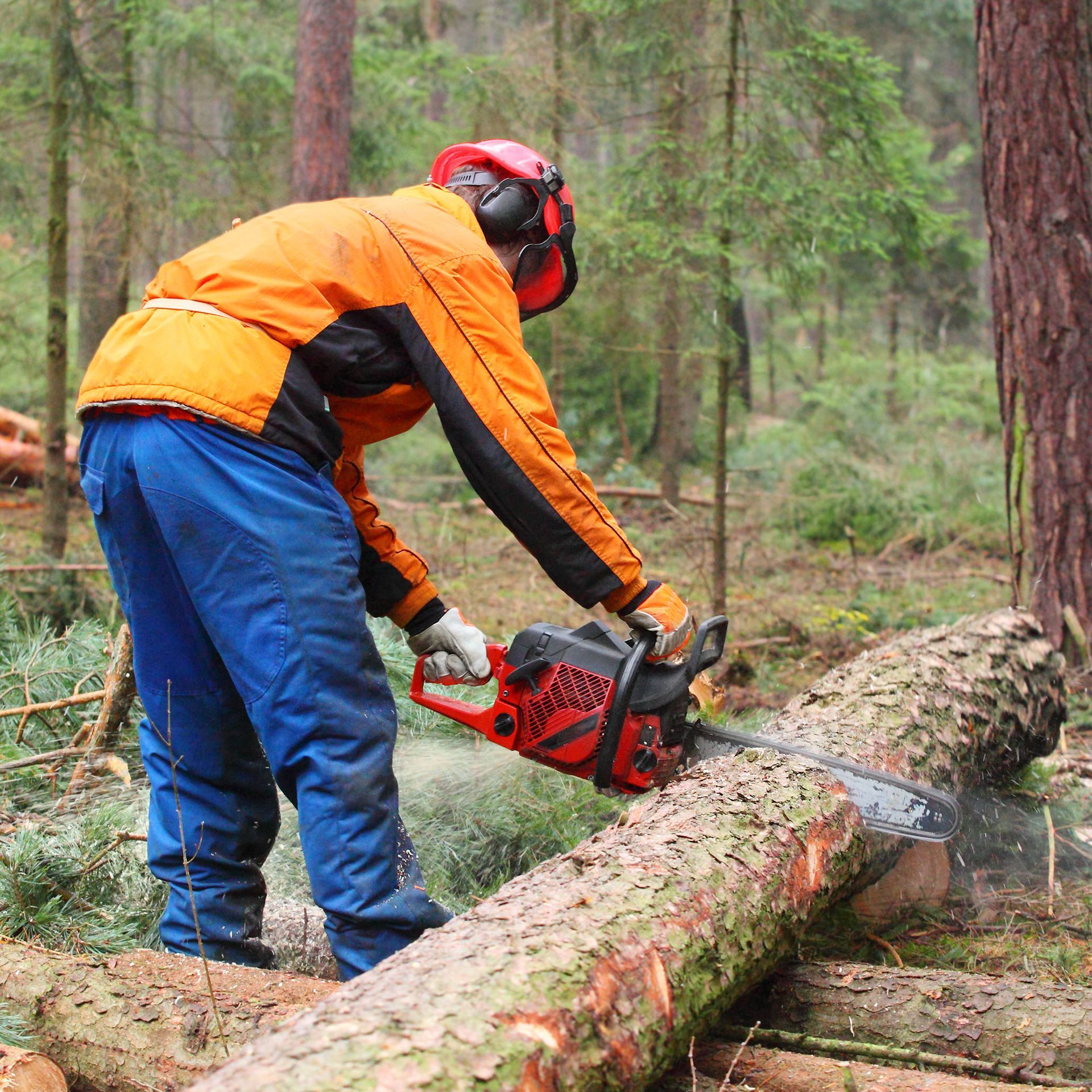
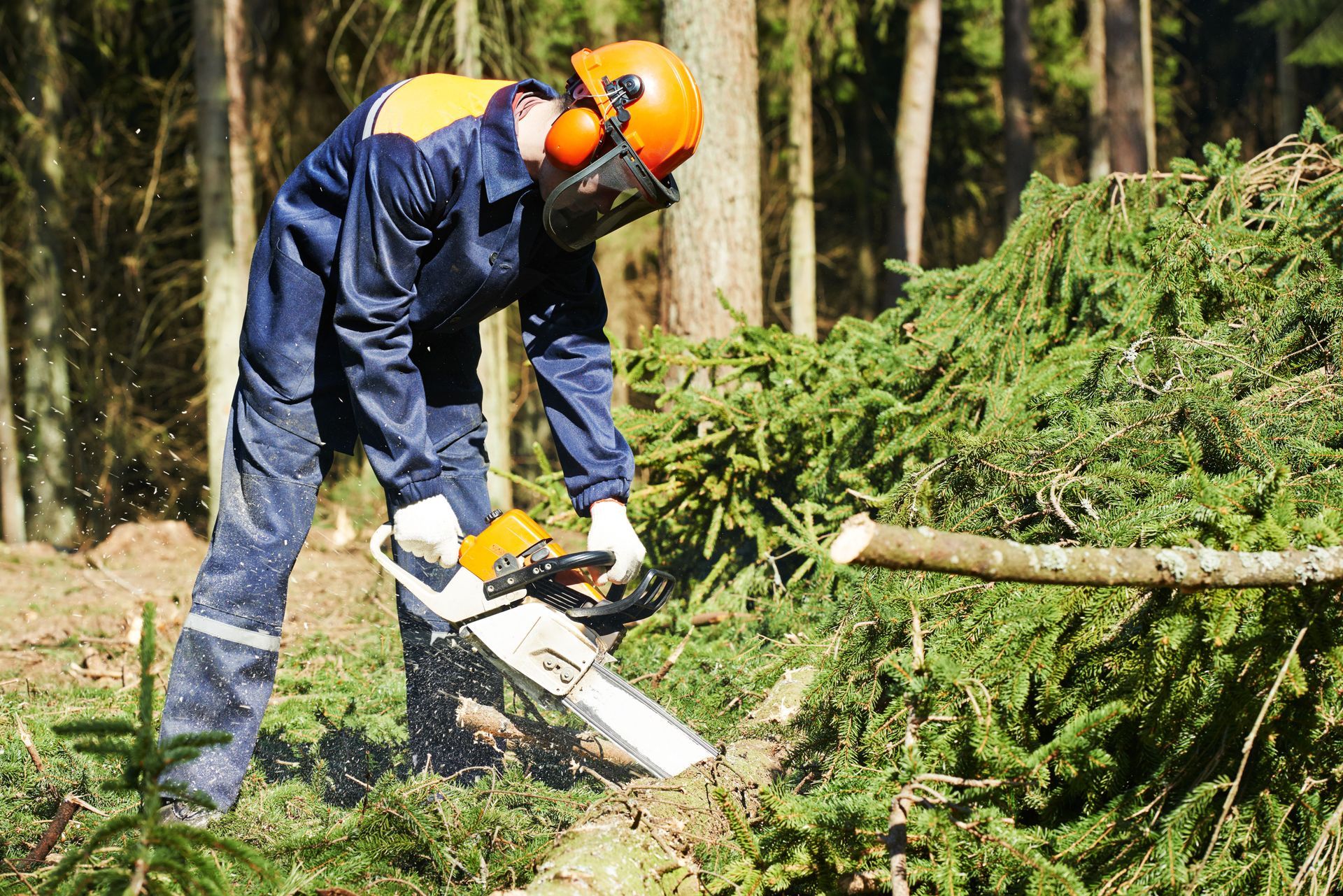
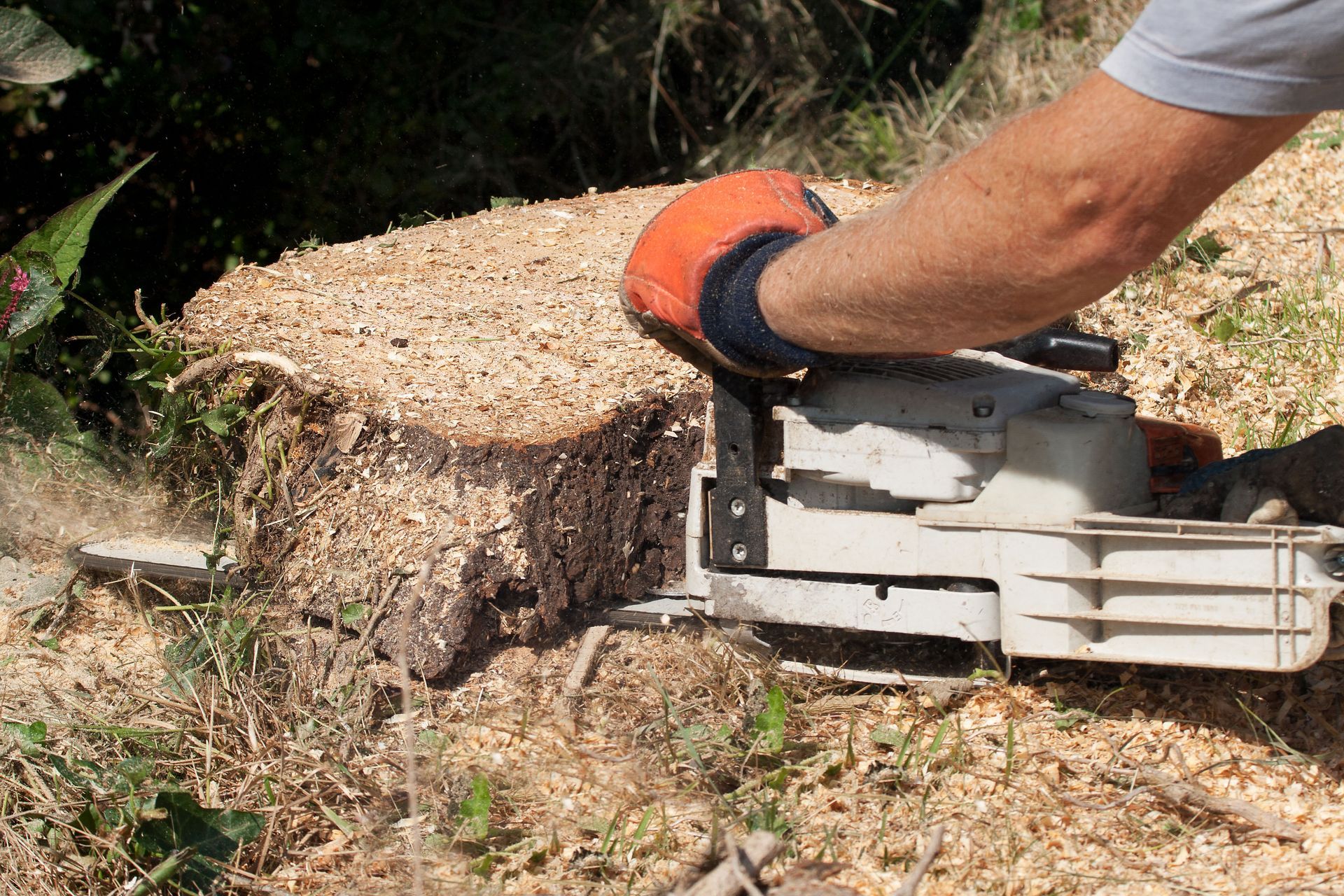
Professional tree removal services can help address trees that are unsafe to leave standing. Depending on the findings, the recommended solution may involve removing the tree and clearing the resulting debris. Stump grinding may also be an option for addressing the remaining stump after removal.
Understanding Local Requirements
Before removing a tree, check whether local rules or property restrictions apply. Some communities regulate the removal of certain trees, particularly in protected areas or locations with specific landscaping requirements. Requirements vary by municipality, so homeowners should confirm applicable rules with the relevant local authority before scheduling work.
Property boundaries can also affect decisions about trees near neighboring homes or shared spaces. If a tree stands close to a boundary, clarify where the property line falls and discuss any concerns with the neighbor when appropriate. Addressing these details in advance can help prevent misunderstandings and reduce the chance of disputes.
Utility lines, nearby buildings, fences, and other obstacles may also affect how a tree can be removed safely. Sharing these details during an estimate helps the tree service assess the work involved. For hazardous or storm-damaged trees, keep people away from the area until the situation can be evaluated by qualified professionals.
Selecting a Qualified Tree Service
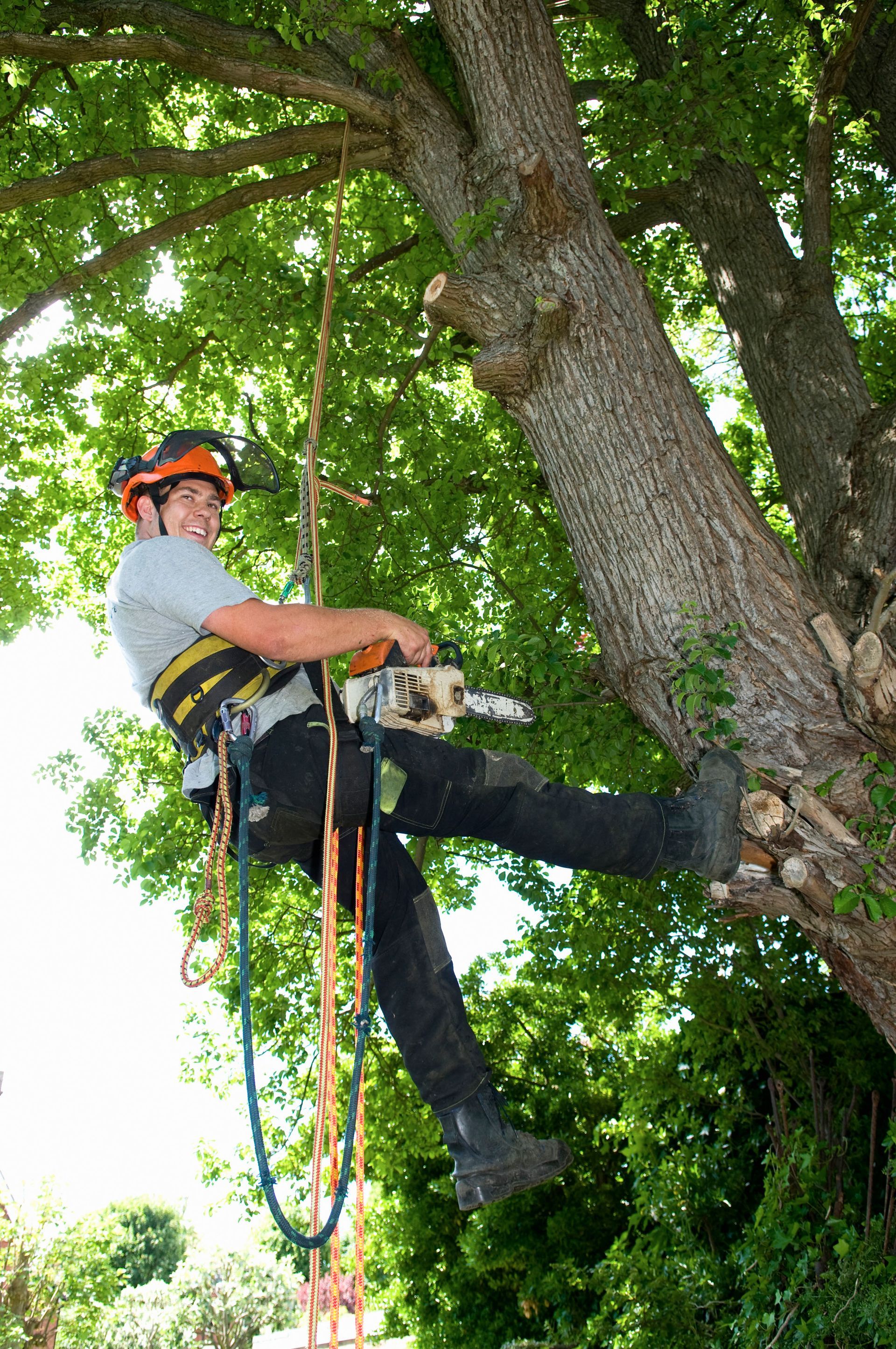
Removing a large or unstable tree can involve significant risks, particularly when it is close to a house, roadway, or utility line. Look for a provider with relevant experience, appropriate equipment, and insurance coverage for the work being performed. Ask for a clear explanation of the proposed removal process and how the crew plans to protect nearby property.
Before approving the work, request an estimate that explains the scope of the job and whether debris cleanup or stump grinding is included. You should also clarify how the provider will handle obstacles and whether additional work could affect the final cost. Comparing these details helps you evaluate the proposed service and understand what to expect.
When comparing providers for tree removal services, review their options to determine whether they can handle your property's specific needs. Ask whether the estimate includes cleanup, disposal of debris, and any requested stump work. Clear expectations can help you compare estimates and plan for the work involved.
Maintaining a Safer Property
Regularly checking trees for dead branches, trunk damage, unusual leaning, and signs of root disturbance can help you spot potential hazards early. Pay particular attention after severe weather, when existing weaknesses may become more noticeable. If you identify a concerning change, keep a safe distance and arrange for a professional evaluation rather than attempting hazardous work yourself.
Not every unhealthy or inconvenient tree needs to be removed, but delaying action on a genuinely hazardous tree can increase the risk of injury or property damage. Professional tree removal services can help address trees that are dead, unstable, severely damaged, or poorly positioned for their surroundings. Combining timely assessments with appropriate tree care can help maintain a safer and more functional outdoor space. Contact Mason Tree Service to request an estimate and discuss tree removal, storm damage cleanup, or other tree care needs in St. Clair County, IL.